
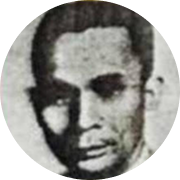
Lung Tse Cheung was one of a select few martial artists chosen to participate in a historic and highly unusual cross-training initiative between two of the most respected masters of their time: Grandmaster Tarm Sarm, founder of Buk Sing Choy Lay Fut, and Master Ku Yu Cheung, the legendary figure of Northern Shaolin (Buk Sil Lum). Alongside other chosen fighters such as Kong On and Chan Leen Bark, Lung Tse Cheung was entrusted with the task of bridging two distinct martial traditions — an opportunity that was almost unheard of in an era when most systems were closely guarded and rarely shared outside their own lineages.
The exchange was not merely symbolic — it was deeply practical. Lung Tse Cheung immersed himself in both traditions, training under Buk Sing’s compact, aggressive, close-quarters strategy as well as the flowing, expansive techniques of Northern Shaolin. From Choy Lay Fut, he honed explosive hand combinations, sweeping circular strikes, and low stances built for stability and shock. From Buk Sil Lum, he developed long-range timing, evasive footwork, and the kind of full-body coordination that would later become a defining feature of advanced Buk Sing forms. His exposure to both systems gave him a rare versatility, allowing him to adapt his fighting style to any range or opponent.
Although Lung Tse Cheung never became a household name, his contributions were invaluable. He was part of the experimental edge of martial evolution — one of the practitioners who internalised new principles, tested them in sparring and training, and helped transmit refined techniques back into the Buk Sing curriculum. His work helped to expand the tactical range of Buk Sing Choy Lay Fut, giving it the long-reaching power and internal flow that distinguish it from more static Southern systems. His presence in the lineage helped ensure that the evolution of the art did not come at the expense of tradition.
Today, Lung Tse Cheung remains an honoured figure within the Buk Sing family, not only for his skill but for his openness, discipline, and contribution to the preservation of martial heritage. Though his name may not be as widely known as some of his peers, his role in shaping the adaptable, combat-tested system we teach today is undeniable. His story is a reminder that evolution in martial arts has always depended on those few willing to train across boundaries, absorb deeply, and return with something greater to share.
